

Understanding the psychological impacts of gambling behavior on decision-making
The Nature of Gambling Behavior
Gambling behavior can be understood as a complex interplay of psychological factors, cognitive biases, and emotional influences. At its core, gambling often taps into the human desire for excitement, risk, and the potential for substantial rewards. This excitement can lead to impulsive decision-making, where individuals may overlook rational thought in favor of immediate gratification. Understanding this nature of gambling behavior is crucial for recognizing its psychological implications and influences on decision-making processes. For more insights, you can visit lolajack-ca.org.
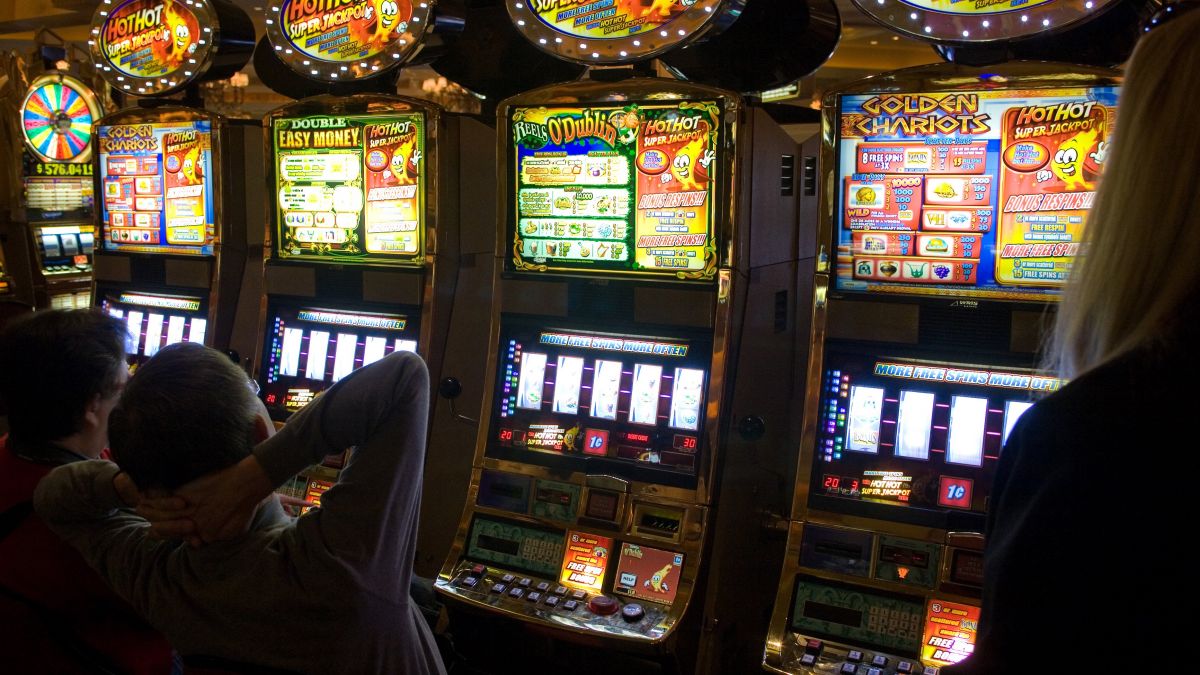
Moreover, gambling environments are designed to enhance this experience, using bright lights, enticing sounds, and promotional offers that create an immersive atmosphere. These factors can distort a player’s perception of odds and lead to overconfidence in their abilities. Such cognitive biases, including the illusion of control, can further complicate decision-making, making it difficult for individuals to assess the risks accurately. This disconnection from reality can lead to compulsive gambling behaviors that adversely affect one’s life.
Additionally, gambling behavior is not solely based on the individual’s psychological make-up but is heavily influenced by social and environmental factors. Cultural attitudes toward gambling can shape a person’s willingness to engage in such activities, often normalizing risky behaviors. In societies where gambling is seen as an acceptable pastime, individuals may feel less pressure to make cautious choices, further influencing their decision-making processes in gambling situations.
Cognitive Biases in Gambling Decision-Making
Cognitive biases play a significant role in how individuals make decisions while gambling. One prominent example is the gambler’s fallacy, where players believe that past outcomes will influence future events. For instance, if a player has experienced several losses in a row, they may convince themselves that a win is “due,” which can result in further irrational betting. This distorted thinking not only impacts immediate decisions but can also lead to a broader pattern of behavior characterized by risk-taking.
Another bias at play is the availability heuristic, where individuals assess the likelihood of an event based on recent memories or experiences. For instance, someone may recall a recent big win more vividly than a series of losses, leading them to overestimate their chances of winning again. This skewed perception fosters an ongoing cycle of gambling, where the excitement of past wins overshadows rational decision-making. Such biases can have cumulative effects, increasing the likelihood of developing problematic gambling habits.
Moreover, the framing effect can also impact decision-making. How options are presented to a gambler can significantly influence their choices. For example, a player may feel more inclined to take risks if the potential outcomes are framed in a positive light, even if the odds remain unchanged. This psychological trickery can lead to a cycle of poor decision-making, where rational thought is sacrificed for the allure of an enticing narrative.
The Emotional Consequences of Gambling
The emotional consequences of gambling behavior can be profound and multifaceted. Many individuals engage in gambling as a way to cope with stress, anxiety, or depression. The temporary euphoria experienced during a win can create a false sense of relief or escape, leading to further gambling as a coping mechanism. This creates a damaging cycle, where emotions dictate decision-making, often leading to increased gambling and eventual financial or emotional distress.
Additionally, the thrill of gambling can produce intense feelings of exhilaration and even euphoria, which may motivate individuals to chase after these emotions repeatedly. However, this can lead to emotional volatility; for instance, a sudden loss can result in feelings of despair, guilt, or even rage. These emotional swings can cloud judgment and lead to impulsive decisions, further exacerbating the psychological impact of gambling on one’s life and relationships.
Moreover, the shame and stigma often associated with problem gambling can lead individuals to isolate themselves, compounding feelings of hopelessness. This isolation can prevent individuals from seeking help, as they may fear judgment or misunderstanding. Consequently, the emotional consequences of gambling not only influence decision-making but also have a ripple effect on overall mental health, well-being, and social connections.
The Role of Culture in Gambling Behavior
Cultural attitudes play a vital role in shaping individual behaviors toward gambling. In some cultures, gambling is viewed as a form of entertainment or a social activity, while in others, it may carry significant stigma. This cultural context influences how individuals perceive gambling risks, often affecting their decision-making processes. For instance, in cultures that celebrate gambling as a rite of passage, individuals may be more likely to engage in risky betting behavior without fully considering the potential consequences.
Moreover, cultural narratives surrounding luck and fate can also impact decision-making in gambling contexts. For example, some cultures emphasize the role of fate in determining outcomes, leading individuals to gamble with the belief that their success is predestined. This belief can diminish critical thinking and rational decision-making, as players may rely more on luck than on strategies for managing risks.
Furthermore, the commercialization of gambling has permeated many cultures through media and advertising, often glamorizing the lifestyle of successful gamblers. This portrayal can create unrealistic expectations and influence individuals’ decisions to participate in gambling. As a result, cultural perceptions not only impact individual behaviors but also shape the broader societal norms surrounding gambling practices and decision-making.

LolaJack Casino: A Safe Gambling Environment
LolaJack Casino stands as a premier online gaming destination for Canadian players, offering an extensive selection of games designed to provide a safe and entertaining experience. With stringent security measures, including SSL encryption and KYC verification, players can engage in gambling with peace of mind. The platform prioritizes responsible gaming, encouraging players to set limits and recognize the signs of problematic gambling behavior.
In addition to a vast array of games, LolaJack Casino also provides a generous welcome bonus and tailored promotions that can enhance the gaming experience without pushing players towards risky behaviors. Their commitment to player support ensures that help is readily available for those who may need assistance in managing their gambling habits. This focus on player welfare is essential in fostering a responsible gaming culture.
Ultimately, understanding the psychological impacts of gambling behavior on decision-making is crucial for both players and operators. LolaJack Casino exemplifies a forward-thinking approach, combining entertainment with a commitment to responsible gaming. By promoting awareness and offering resources for players, they contribute to a healthier gambling environment that prioritizes well-being and informed decision-making.


 By
By